
Africa has over 400 known endangered wildlife species. Other threatened wildlife are categorized as priority species, as they have a high ecological impact. Below are the 8 wildlife species that Wildlife ACT focuses on protecting.
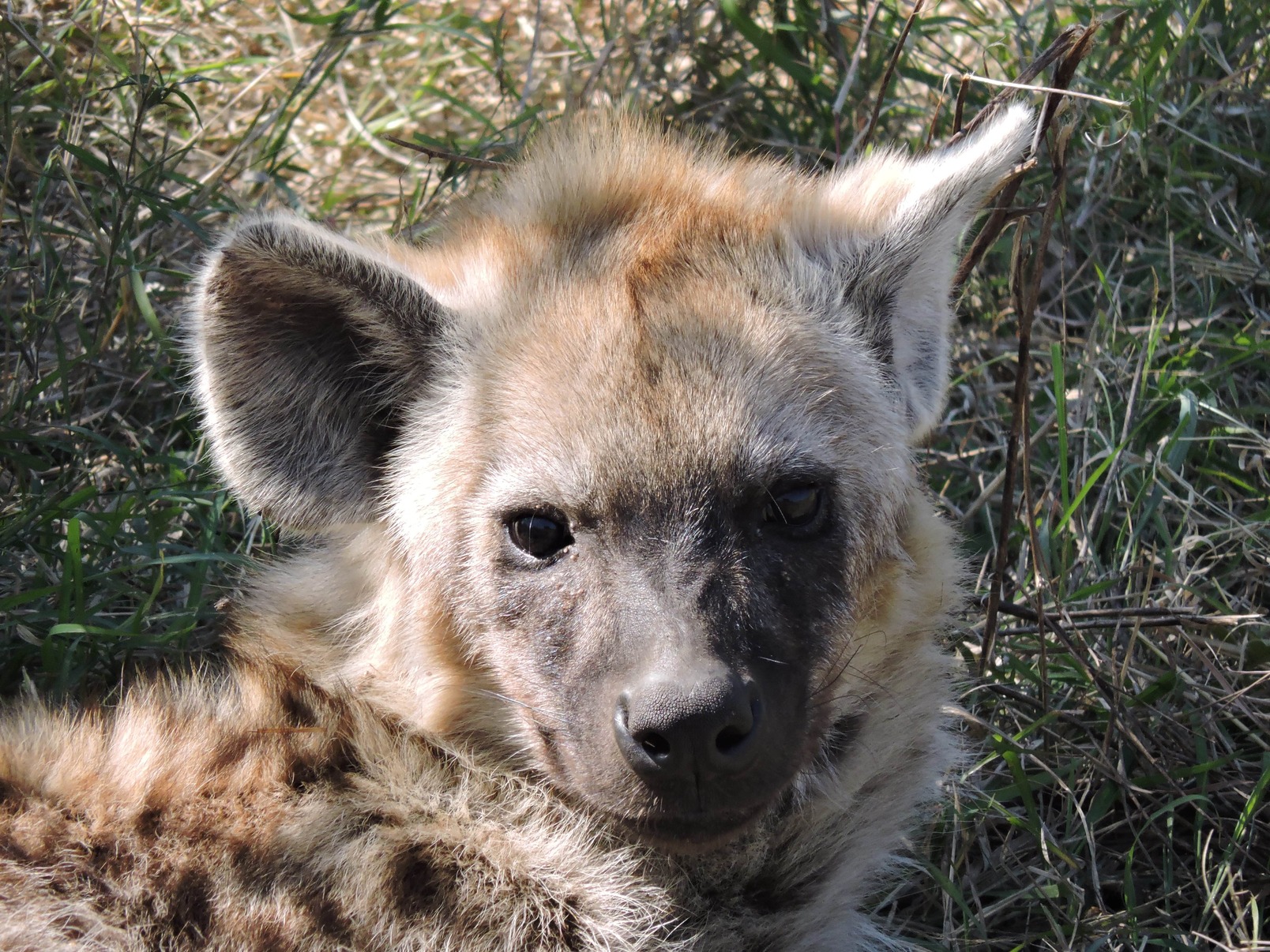
Retaliatory killings, habitat fragmentation, human-wildlife conflict, poorly regulated hunting, incidental snaring, and persecution due to mistaken identity or misattributed livestock losses.

Habitat loss, habitat fragmentation, persecution due to mistaken beliefs, secondary poisoning, electrocution from power lines, and reduced breeding success due to loss of suitable nesting sites.

Illegal trade of shells, harvesting of eggs and meat, entanglement in fishing gear, ingestion of marine debris, habitat loss of nesting and foraging areas, climate change impacts on nesting beaches, and coastal development.

Habitat loss and human encroachment on migratory routes, human-elephant conflict (particularly crop raiding and property damage), illegal hunting for ivory and bushmeat, overpopulation in fenced reserves leading to habitat degradation, and isolation from neighbouring populations reducing gene flow.

Threats Include: Habitat loss, habitat fragmentation, human-wildlife conflict, disease transmission from domestic animals, snaring, persecution, and road mortality.

Poaching for their horns, limited habitat for range expansion, genetic bottlenecks in isolated populations, habitat loss, habitat fragmentation, and human-wildlife conflict.

Poisoning, collisions and electrocutions from energy infrastructure, habitat loss, disturbance during breeding, reduced availability of safe food, and ingestion of toxic veterinary drugs or lead fragments.
.jpg)
Threats Include: Habitat loss and fragmentation, human-wildlife conflict and retaliatory killings, snaring and illegal trapping linked to bushmeat and poaching activities, illegal trade in Leopard skins and body parts, decline in natural prey species, and insufficient long-term data to inform effective population management.
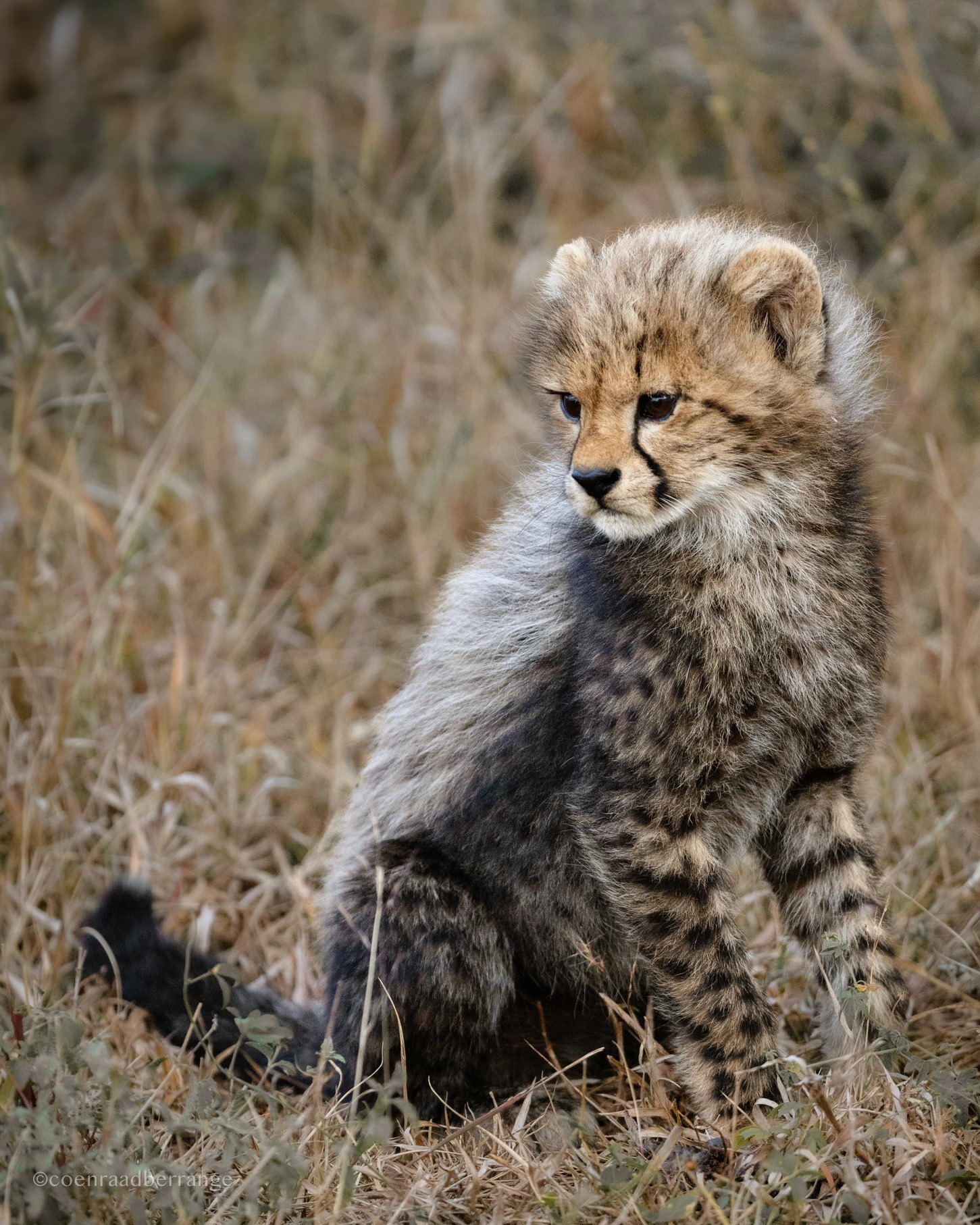
Threats Include: Habitat loss and fragmentation, human-wildlife conflict and persecution, competition and predation from larger carnivores, poaching and illegal trade, low genetic diversity.

Habitat loss and fragmentation, human-wildlife conflict, prey depletion, poaching and illegal trade in body parts, disease outbreaks, and genetic isolation in small or fenced populations.